Spotting Early Smile Changes with Confidence
Kids change fast. One minute they are learning to tie their shoes, and the next they are losing front teeth and asking about braces. As their faces and jaws grow, their smiles can shift in ways that are easy to miss in the middle of school, sports, and family life.
It is very normal to wonder if your child might need braces, or when to see a specialist. This question often pops up when those first big permanent teeth come in and things start to look a little crowded or uneven. You are not alone if you are unsure what is “normal” and what needs a closer look.
Seeing a pediatric orthodontist in Frisco, TX, sooner can actually keep things simpler. Early visits often mean easier treatment, less stress, and a clear plan so there are fewer surprises later. With busy family calendars, knowing the early signs helps you choose a good time for that first visit and feel confident about it.
Why Early Orthodontic Checkups Matter
The American Association of Orthodontists recommends that children have their first orthodontic checkup around age 7. At that age, kids usually have a mix of baby teeth and permanent teeth, which gives us a helpful “peek” at how the bite and jaw are growing, even if everything looks fine from the outside.
A pediatric orthodontist focuses on how your child’s teeth, jaws, and smile are developing. In simple terms, we look at:
- How the upper and lower jaws fit together when your child bites
- How straight or crowded the teeth are, both baby and permanent
- How your child chews, speaks, and closes their lips comfortably
The big goal of early checkups is to watch growth, catch small concerns before they turn into bigger ones, and plan ahead. Sometimes early care can shorten future braces time or make treatment gentler.
Parents are often relieved to learn that an early visit does not always mean braces right away. Many times, it is a chance to take some photos and X-rays, explain what we see, and create a simple “let us keep an eye on this” plan that we review every so often.
Bite and Jaw Clues You Should Not Ignore
You do not need to know all the technical terms to notice when a bite might be off. There are a few patterns that can be helpful to watch for:
- Overbite: The top front teeth stick out far over the bottom teeth.
- Underbite : The bottom front teeth sit in front of the top teeth.
- Crossbite: The top and bottom teeth do not line up side to side, sometimes causing the jaw to shift.
Everyday signs of bite and jaw issues can include:
- Trouble biting into foods like sandwiches or apples
- Favoring one side when chewing most foods
- Saying, “my teeth do not fit together right” or “my jaw feels funny”
- A jaw that shifts or slides as your child opens and closes
- A chin that looks off-center when your child bites down
At a kid-focused office, we use gentle exams, simple pictures, and clear explanations so parents and kids can see what is happening. When we spot these bite patterns early, we can sometimes guide jaw growth while your child is still growing. That can help protect the permanent teeth, support clearer speech, and build a smile your child feels proud to share.
Tooth Position Signs You Can Spot at Home
Some tooth alignment changes are easy to see in the bathroom mirror or in school pictures. Helpful things to look for include:
- Crowding, where teeth look squished or twisted because there is not enough room
- Spacing or gaps that seem unusual for your child’s age and stage
- Teeth that overlap, are rotated, or look like they are erupting “up high” in the gums
You might also notice little daily clues, like:
- Food getting stuck in the same crowded spots
- Your child avoiding flossing certain teeth because it feels hard or tight
- A smile that your child starts to hide in photos or covers with their lips
As more photos pop up from class events, birthdays, and sports, these changes can stand out. The good news is that these are common issues we see all the time. When a pediatric orthodontist in Frisco, TX spots them early, we can plan for future braces and often make that treatment smoother, more predictable, and less overwhelming for your child.
Habits, Mouth Breathing, and Other Sneaky Signals
Some of the most powerful signs are not about how the teeth look, but about everyday habits. Long-lasting habits can gently push on growing jaws and teeth over time. These include:
- Thumb or finger sucking
- Prolonged pacifier use
- Constant lip-biting or pencil-chewing
These habits can lead to an open bite, where the front teeth do not touch when your child bites down, or a narrow upper jaw that leaves less space for permanent teeth.
Mouth breathing is another sign to watch. Things to notice:
- Your child often sleeps with their mouth open
- Dry or cracked lips in the morning
- Noisy breathing or light snoring at night
Mouth breathing can change the way the upper and lower jaws grow and can make crowding and bite issues more likely. At EDC Smiles Children’s Dentistry & Orthodontics, we focus on working with parents and kids as a team. We talk through gentle ways to break habits, support better breathing patterns, and guide jaw growth while your child is still developing.
When It’s Time to Call a Pediatric Orthodontist in Frisco, TX
It can be hard to know exactly when to take the next step, so here are a few clear “time to schedule” moments:
- Your child is around age 7 and has not had an orthodontic checkup yet
- You notice an overbite, underbite, or crossbite
- Teeth look crowded or spaced in a way that seems off for their age
- Your child mouth breathes, snores, or has long-lasting thumb or pacifier habits
- Your child feels shy or self-conscious about their smile
It is never too early to ask questions. One of the best parts of an early visit is the peace of mind that comes from understanding what is going on and having a simple plan.
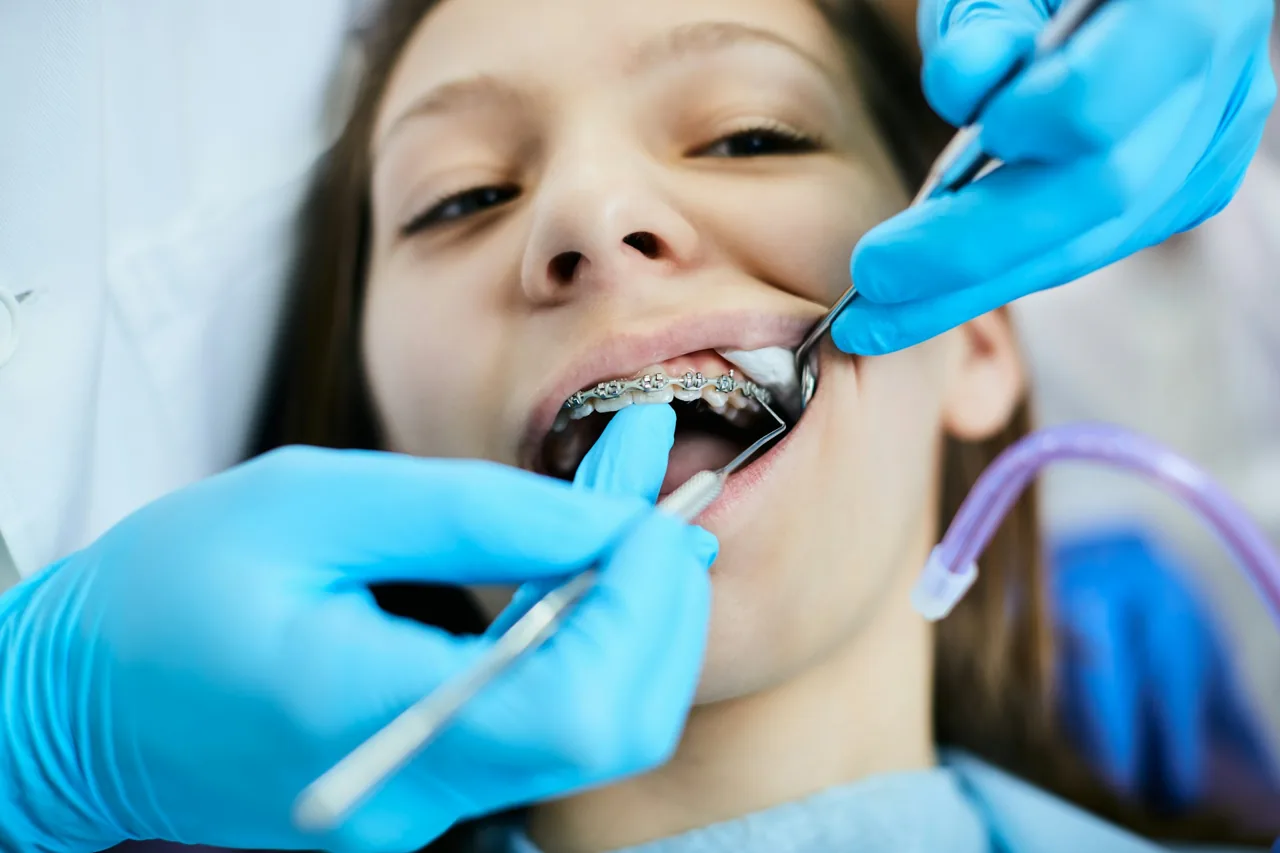
At EDC Smiles Children’s Dentistry & Orthodontics, we offer both pediatric dentistry and orthodontics in one familiar, kid-friendly space. A first orthodontic visit usually includes a warm welcome, time for your child to look around and feel comfortable, a gentle exam, and any needed pictures or X-rays. Then we sit down together and talk honestly about what we see and whether it is best to watch, wait, or think about simple early treatment.
Taking the Next Step Toward a Confident Smile
If something about your child’s bite or smile does not feel quite right, trusting that gut feeling is a good thing. Early orthodontic care is not just about straight teeth, it supports clear speech, easier chewing, and everyday confidence at school, in sports, and with friends.
When you are ready, bringing your questions, your concerns, and even a few recent photos can help us see the full picture. At EDC Smiles Children’s Dentistry & Orthodontics, our goal is not for your child to have a perfect smile today. Our goal is to grow with your child, make every visit feel calm and friendly, and make any future braces feel manageable, understandable, and reassuring for your whole family.
Give Your Child a Confident, Healthy Smile Starting Today
If you are looking for a trusted pediatric orthodontist in Frisco, TX , our team at EDC Smiles Children’s Dentistry & Orthodontics is ready to help guide your child’s smile from the very first visit. We take time to explain every step, answer questions, and create treatment plans that fit your child’s needs and your schedule. Reach out to contact us and schedule an appointment so we can partner with you in giving your child a healthy, confident future.